
Sleep apnea is usually associated with loud snoring and restless nights. While these are common manifestations, the condition can affect much more than sleep quality alone. Untreated obstructive sleep apnea may contribute to daytime fatigue, headaches, difficulty concentrating, cardiovascular strain, and other long-term health concerns.
Many patients are surprised to learn that dentists can play an important role in identifying and helping manage certain forms of sleep apnea in Fishers. But, according to the American Dental Association, “dentists can contribute to multidisciplinary sleep care through established therapies, selective use of emerging interventions, and early recognition of airway growth issues.”
At Dentistry of Fishers, Dr. Jeremy Jones and our expert team help patients recognize potential airway-related concerns and explore appropriate treatment options designed to improve both oral health and overall wellness.
Understanding Obstructive Sleep Apnea
Obstructive sleep apnea occurs when the airway becomes partially or completely blocked during sleep. These interruptions can happen repeatedly throughout the night, often without the patient fully realizing it. Common symptoms of sleep apnea include:
- Loud or chronic snoring
- Gasping or choking during sleep
- Daytime fatigue
- Morning headaches
- Dry mouth upon waking
- Difficulty concentrating
- Irritability or mood changes
Because many symptoms occur during sleep, family members or partners are often the first to notice the warning signs.
Why Dentists Are Often the First to Notice Sleep Apnea Signs
Many signs of sleep apnea appear during routine dental examinations. Dentists regularly evaluate structures that affect breathing, airway space, jaw position, and oral tissues. During a dental exam, possible indicators may include:
- Worn enamel from nighttime teeth grinding or clenching (bruxism)
- A narrow airway or crowded oral anatomy
- Enlarged tongue or soft tissue
- Chronic dry mouth
- Jaw positioning concerns
Because patients often visit their dentist more consistently than their physician, dental professionals may identify warning signs earlier than expected. This early recognition can encourage them to pursue additional evaluation before symptoms worsen.
The Connection Between Sleep Apnea and Oral Health
Sleep apnea does not only affect breathing. It may also directly impact oral health. Many patients with untreated sleep apnea experience chronic dry mouth because they breathe through their mouths while sleeping. Reduced saliva flow as a result increases the risk of cavities, gum irritation, and bad breath. In addition, sleep apnea is commonly associated with:
- Jaw discomfort or TMJ strain
- Increased tooth wear
- Inflamed gum tissue
- Interrupted healing and inflammation
Addressing airway concerns can improve both sleep quality and oral health outcomes over time.
How Oral Appliance Therapy Works
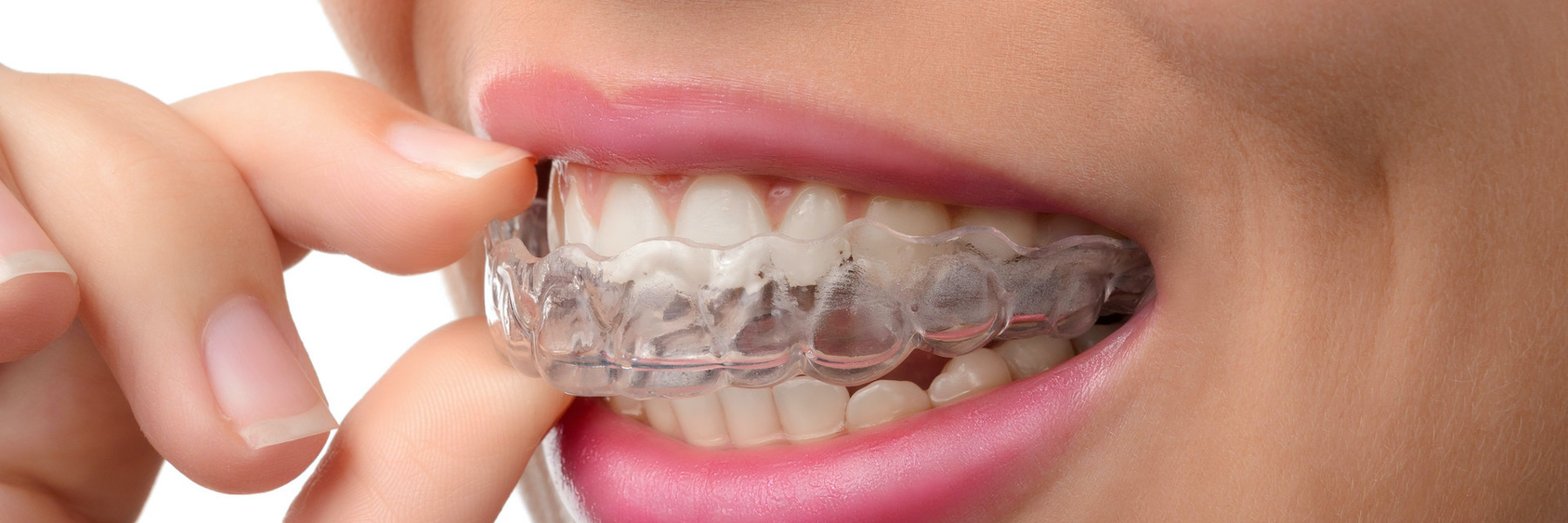
For some patients with mild to moderate obstructive sleep apnea, oral appliance therapy may provide an alternative to CPAP treatment. These custom dental devices are designed to reposition the jaw and help maintain a more open airway during sleep. Unlike over-the-counter snoring devices, professionally made oral appliances are customized for comfort, fit, and effectiveness.
Many patients appreciate the convenience and simplicity of oral appliance therapy, especially when CPAP treatment feels difficult to tolerate. Benefits of oral appliance therapy may include:
- Smaller size
- Ease of portability/travel compared to CPAP systems
- Greater comfort
- Quiet treatment
- Easier treatment compliance for many individuals
Sleep Apnea Treatment Requires a Team Approach
It’s important to understand that dentists do not independently diagnose obstructive sleep apnea. Diagnosis typically also involves a physician and may require a sleep study to confirm the condition and determine severity. This type of collaborative approach may involve:
- Dentists trained in oral appliance therapy
- Primary care doctors
- Sleep physicians
- Ear-nose-throat (ENT) specialists
- Other healthcare providers as needed
Once diagnosed, however, dentists become an important part of ongoing treatment and monitoring. This collaborative care model helps ensure patients receive comprehensive support tailored to their specific needs.
Which Patients May Benefit from Dental Sleep Solutions?
Not every patient with sleep apnea is a candidate for oral appliance therapy, but many individuals may benefit from discussing options with their dentist, including:
- Individuals with mild or moderate obstructive sleep apnea
- CPAP-intolerant patients
- Frequent travelers seeking portable treatment
- Patients with snoring and airway concerns
- Individuals experiencing bruxism alongside sleep issues
A dental evaluation may help determine whether oral appliance therapy could be appropriate as part of your treatment plan.
Why Early Recognition Matters
Sleep apnea often develops gradually, and many patients normalize symptoms like fatigue or snoring for years before seeking help. Unfortunately, untreated sleep apnea may increase risks associated with cardiovascular health, blood pressure, and daytime functioning. Conversely, early identification often helps patients reduce daytime exhaustion through Improved sleep quality. This reduces strain on oral structures and contributes to improved overall wellness.
The earlier these concerns are recognized, the more options patients have for treatment and symptom management.
What to Expect During a Dental Sleep Evaluation
Patients discussing sleep apnea concerns with their dentist can expect a comprehensive review of symptoms, oral anatomy, and medical history. The goal is to determine whether further sleep evaluation or a discussion of an oral appliance may be appropriate. The process often includes:
- Reviewing snoring and sleep symptoms
- Examining jaw position and airway space
- Evaluating tooth wear
- Discussing previous sleep studies or diagnoses
- Exploring treatment options
If oral appliance therapy is appropriate, custom impressions or digital scans may be used to fabricate the device.
Personalized Sleep Apnea Care in Fishers
Sleep apnea affects far more than nighttime breathing. It can influence energy levels, oral health, long-term wellness, and overall quality of life. Fortunately, modern dentistry increasingly plays an important role in recognizing and helping manage these concerns through collaborative care and customized treatment approaches.
If you’re in Fishers and want to learn more about sleep apnea, oral appliance therapy, and how dental care supports healthier sleep, contact Dr. Jeremy Jones and the caring, knowledgeable Dentistry of Fishers team to schedule a consultation.